

LONG-TERM DIRECTION
Organization-wide intelligence
Bring AI into the entire operating organization
AI should not serve only one role or complete isolated tasks. It should enter the company’s information flows, decision chain, and execution system, becoming part of how the organization continuously operates.
NOEWORKS · ORGANIZATION ONLINE
Applicable across companies and industries
Department intelligence
Business, sales, operations, marketing, finance, and management each receive the information that matters most to their work.
NOEWORKS · DUAL CORE
Two core capabilities
Department clarity · Cross-functional coordination
Cross-functional coordination
The system identifies the departments that should participate, connects their information, detects conflicts, and keeps shared decisions moving into execution.
The system determines which departments are involved in an issue.
Sales, operations, marketing, and finance no longer work from separate views.
Surface conflicts among goals, budgets, timing, and responsibilities.
Approved decisions enter the relevant departments, with blockers and results continuously tracked.
Working from shared company materials, business data, and operating facts
01 / LONG-TERM THESIS
From isolated uses of AI,
to an entire operating organization
augmented by AI.
More companies are using AI today. Marketing teams produce content, leasing teams research brands, operations teams analyze reports, and management teams organize information with AI.
These roles may work faster, yet the project as a whole still pays the price: the same information is repeatedly reorganized, the same issues repeatedly explained, and important decisions still depend on people relaying and chasing them through the organization.
BeforeRole-level AI · Local acceleration
Individual roles look faster, but the organization has not built a shared capability
- Each department uses AI separately while operating information remains fragmented
- Experience, judgment, and outcomes remain with a small number of people
- Critical issues still depend on people repeatedly relaying, chasing, and tracking them
NowNOEWORKS · TWO CORE CAPABILITIES
Departments gain operating intelligence; the organization gains coordination
- Each departmentContinuously receives the critical information directly relevant to its work
- Across departmentsImportant matters reach the relevant teams and move together toward results
- Across the companyEveryone works from company materials, business data, and real operating outcomes
WHY THESE STUDIESWhy these studies are cited
They are not endorsements of noeworks or evidence of customer outcomes. Together, the three studies show a real organizational capacity gap, that AI use has not yet widely translated into enterprise-level value, and that productivity can rise when AI becomes more deeply embedded in production systems.
Microsoft × LinkedIn
2025 Work Trend Index
80%
of surveyed employees and leaders say they lack enough time or energy to complete their work.
What it means here: companies face an organization-wide capacity gap. 31,000 knowledge workers · 31 countries · View the official study ↗
McKinsey
2025 Global AI Survey
39%
of respondents report any enterprise-level EBIT impact from AI.
What it means here: isolated AI use does not equal enterprise-level operating value. 1,993 global respondents · View the official study ↗
PwC
2025 Global AI Jobs Barometer
3×
Revenue per worker grew three times faster in the industries most exposed to AI than in the least exposed industries.
What it means here: the deeper AI enters production systems, the more likely it is to translate into organizational productivity. Nearly 1 billion job ads + thousands of company reports · Six continents · View the report ↗The goal is not only to accelerate one task, but to help the entire operating organization sense, judge, act, and evolve faster.
NOEWORKS · FIRST INDUSTRY The first industry noeworks is entering: commercial real estate operations. ↓02 / FIRST INDUSTRY · COMMERCIAL ASSET
Why start with
commercial real estate operations.
WHY COMMERCIAL ASSETS FIRST We are starting with commercial real estate because our team has long participated in real commercial projects and has continuously accumulated operating materials and data from strong projects across China. Global industry data, cases, and professional research provide a broader external reference for every judgment.
noeworks is an AI-native operating system for commercial real estate operations.
It embeds AI into the operating organization of a commercial project, connecting materials, data, workflows, people, and decisions across departments. It helps management see operating issues earlier, make judgments faster, and move decisions into action across teams.
It improves the overall operating efficiency of commercial assets through organization-wide intelligence.
NOEWORKS · FIRST INDUSTRYCommercial real estate
Operating system
Operating system
Primary clients
State-owned enterprises and local platform companies
Commercial real estate owners
Commercial project companies
Cultural and tourism retail operators
Commercial operating service companies
03 / BUSINESS IMPACT
For a 100,000 m² commercial project,
how much could noeworks
save in one year?
The baseline estimate is approximately RMB 5 million per year, with a reasonable range of RMB 3–8 million. The figures below focus only on the core items that matter most to owners and can enter financial verification.
100,000 m² operating shopping center · Baseline estimate
Approx. RMB 5M
Annual verifiable financial-value target
Reduce spending on external service providers
Research consulting, planning and content, software and data, and marketing campaignsThe system handles a substantial share of repetitive foundational work, reducing repeated spending on external service providers.
Why it saves money: Approx. RMB 0.6M in research consulting + RMB 0.6M in proposals and content + RMB 0.2M in software and data + RMB 0.8M in inefficient marketing procurement.Evidence: Budgets, contracts, invoices, and actual spending can be verified.
Optimize internal roles and workforce costs
Research and analysis, planning and content, operating support, and project coordinationThe system handles repetitive foundational work, reducing the need for headcount expansion, overtime, and temporary staff.
Why it saves money: The same team can complete more work, reducing or deferring new hires.Estimate: Approx. three roles × RMB 300,000–350,000 per year.
Reduce operating waste and losses
Vacancy losses, ineffective campaigns, tenant anomalies, and rework errorsDetect and address them earlier, reducing the additional expense that occurs after problems grow.
Why it saves money: Approx. RMB 0.5M in vacancy and tenant attrition + RMB 0.7M from one ineffective large campaign + RMB 0.4M in rework errors + RMB 0.2M from priority tenant anomalies.Evidence: Must be verified with real project data and explicit formulas.
04 / FINANCIAL VALUE ENGINE
NOEWORKS · VALUE MODELBusiness-value model
Annual financial-value target
Approx. RMB 5M
Baseline scenario
RMB 10,000 / yearExternal services RMB 2.2M + internal workforce RMB 1M + waste and losses RMB 1.8M = annual value RMB 5M
01 / 07Three financial-value categories · Baseline estimate
Scope of estimate:The figures above are an initial business estimate and pilot target for a 100,000 m² operating shopping center. They are not achieved customer results and do not constitute a fixed savings commitment. Any formal external figures must state their evidence status and be verified using budgets, contracts, invoices, payroll, actual working hours, and operating outcomes.
04 / OPERATING ARCHITECTURE
Four capabilities form one continuously operating system.
The following sections explain what information noeworks connects, what conditions it monitors, and what it ultimately delivers to management and teams.
WHY OUTPUT IS DIFFERENT
Continuously strengthening the model’s industry understanding
Strategy · Content · Visuals
06 / PROFESSIONAL OUTPUT
NOEWORKS SPECIALIZED STRENGTHLet the model understand the industry first,
then produce industry-grade outputs.
Industry-grade strategy, professional content, and high-quality visual design are output capabilities specifically strengthened in noeworks.
noeworks combines company materials, real operating data, and global industry knowledge to continuously strengthen the model’s understanding of commercial real estate operations. Research, strategy, content, and design roles work together to produce complete outputs for professional presentations, operating execution, and multi-channel publishing rather than a generic text answer.
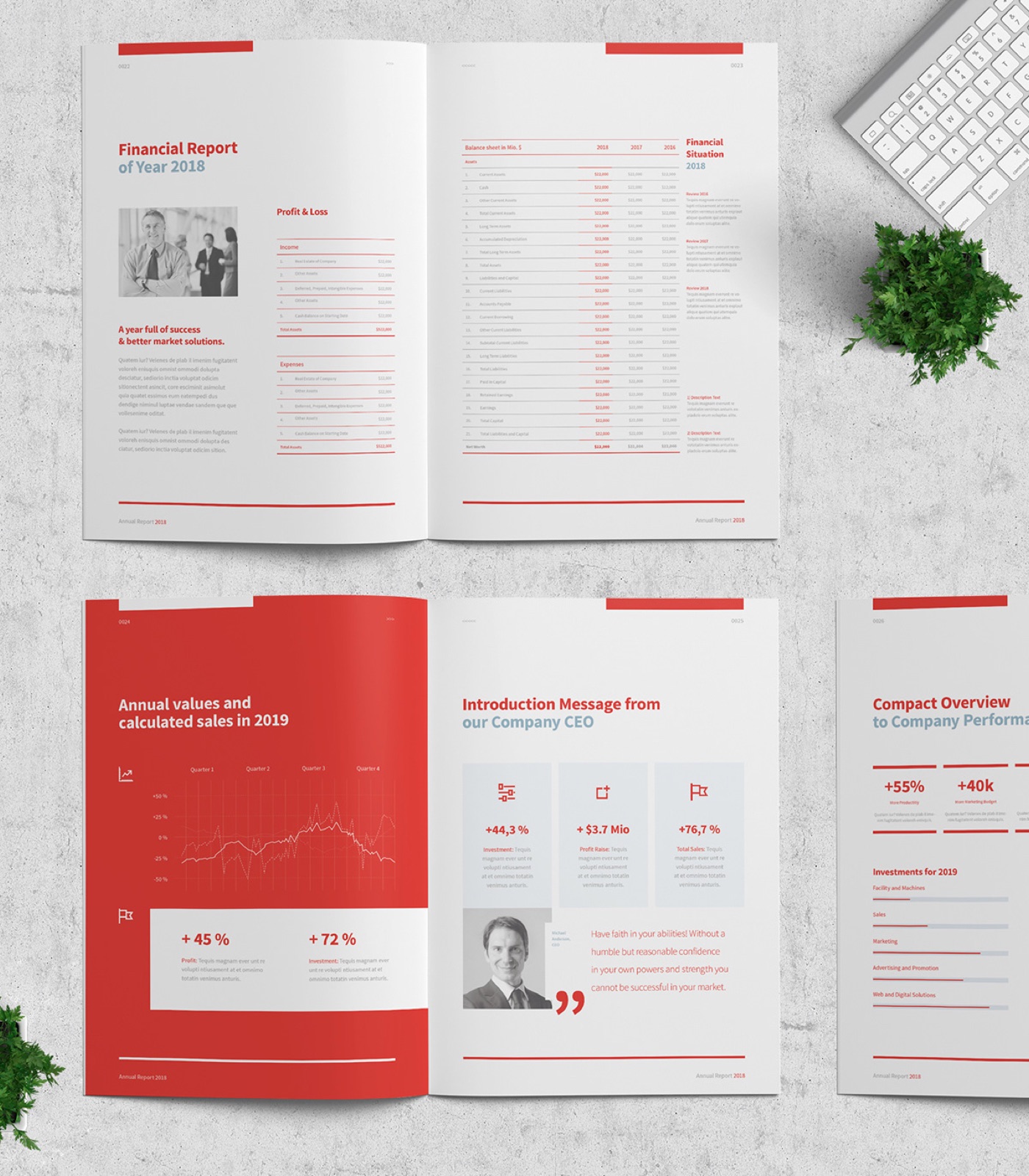
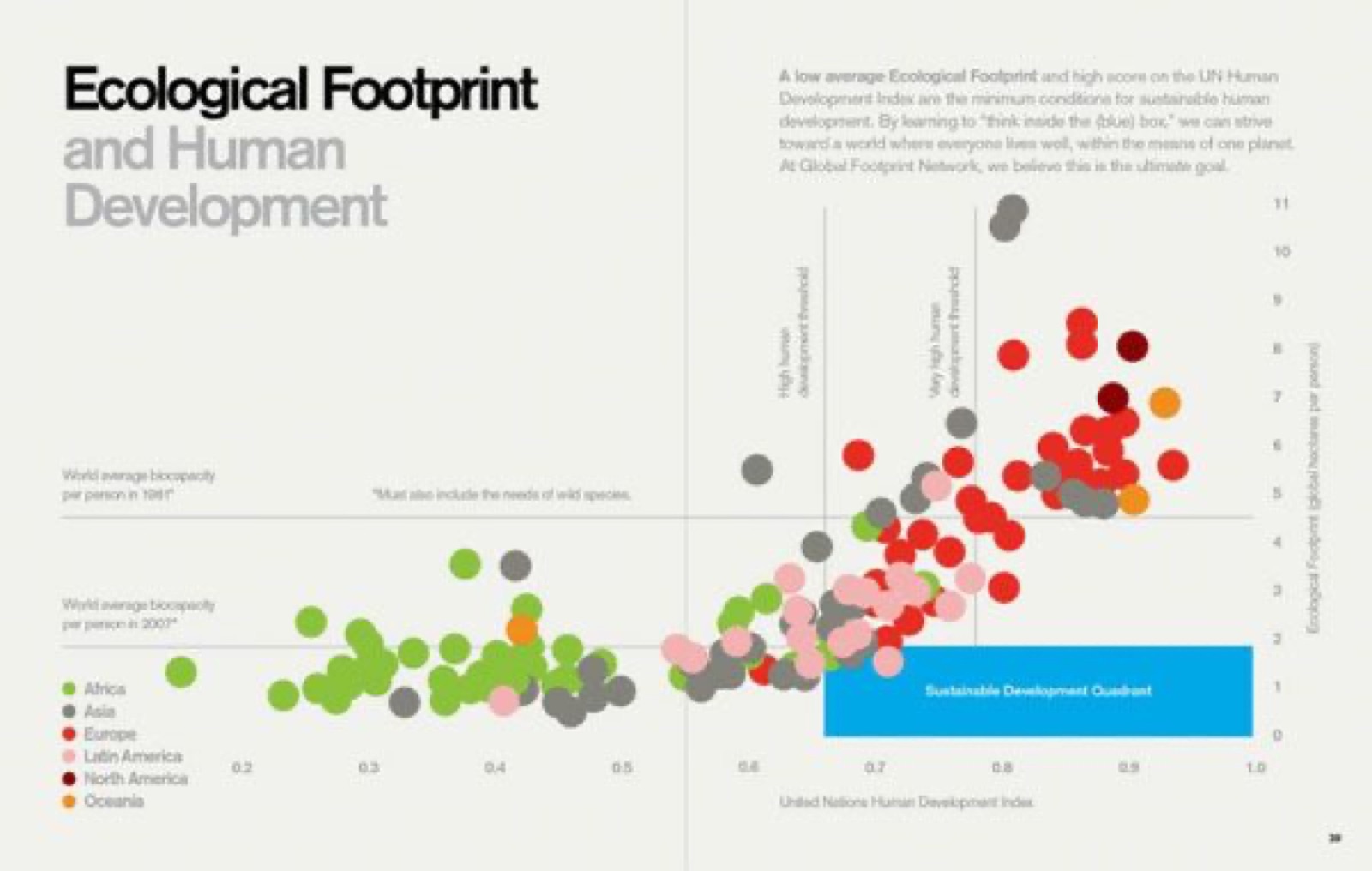
REFERENCE BOARDPinterest visual references · For internal review only










GLOBAL REFERENCE SOURCES
Leading public research from around the world,
providing external reference for industry judgment.
providing external reference for industry judgment.
Examples of public reference sources. They broaden the industry view and do not represent customers, partnerships, or commercial endorsements of noeworks.
01Microsoft WorkLabGlobal work trends and organizational productivity researchView the official research ↗
02McKinseyGlobal AI adoption and enterprise impact researchView the official research ↗
03PwCGlobal AI, employment, and productivity researchView the official report ↗
04NIST AI RMFAn internationally adopted AI risk-governance frameworkView the official framework ↗
Judgment boundary:Company materials and real operating data are the primary basis; global industry knowledge broadens the range of judgment.
The current gallery uses public design work and Pinterest visual references only as layout placeholders. Copyright belongs to the original creators. These images do not represent actual noeworks delivery and will gradually be replaced with owned or licensed work.
GUIDES
noeworks guide
First define the operating decision to support,
then organize the facts, responsibilities, and validation method.
FAQS
Frequently asked questions
How is noeworks different from general-purpose AI tools?
General-purpose AI usually generates content around a single prompt. noeworks supports continuous operating work by placing company materials, business data, departmental responsibilities, approvals, and execution outcomes within the same task. Which systems can be connected and how far the work can progress are confirmed against the scope of the actual project.
View system capabilities ↗What is a good first task to start with?
Start with a task where the problem is clear, the materials are available, the owner is known, and the result can be reviewed—for example, leasing-brand follow-up, tenant-performance analysis, or a campaign review. Bring in the relevant materials and owners when other departments are involved.
View the operating-problem guide ↗Can we start if our materials are incomplete and no business system has been connected?
Yes. Start with a limited-scope task without replacing existing systems. Describe the project situation, available materials, and missing information, then confirm what should be connected based on interfaces, data formats, and authorization conditions. When critical evidence is insufficient, the system produces a judgment that remains to be validated rather than a firm conclusion.
View the materials and task guide ↗What is the system’s judgment based on?
The company’s own materials, business data, and real operating outcomes are the primary basis. Public industry data, cases, and professional research provide external reference. Significant judgments should state their sources, time range, calculation basis, and the information still missing.
How do we decide whether a result can support an operating decision?
Check whether sources are traceable, figures use consistent definitions, inference conditions hold, alternative explanations exist, and execution conditions are in place. For high-impact matters with insufficient evidence, add data, validate on a limited scale, or refer the issue to the responsible person. A result should not be adopted merely because it appears complete.
View the result-review guide ↗Which matters still require a responsible person’s decision?
Budgets, contracts, public releases, customer commitments, staffing, and major operating directions are decided by people with the appropriate authority. AI can prepare materials, compare options, and track progress, but it cannot assume approval or operating responsibility for the company.
How are company materials and data handled?
Before formal integration, the purpose, access rights, storage location, retention period, and deletion method are confirmed item by item. When personal or commercially sensitive information is involved, authorization and de-identification requirements must also be defined. Specific deployment and data-processing arrangements follow the implementation plan confirmed by both parties.
How is noeworks priced, and how should the annual value figures be understood?
Pricing is confirmed based on the number of projects, scope of work, material conditions, and integration requirements. The annual value shown on this site is a baseline estimate and pilot target—not a product quotation or an achieved customer result. Actual value must be verified against project investment, changes in spending, and operating outcomes.
View the business-value estimate ↗Are the demonstrations and works on this site real client deliverables?
No. They are not client cases. The AI-team dialogue and spatial animation explain the way of working; the gallery contains external design references used to review visual direction. None represents completed noeworks client delivery. Actual capabilities and delivery scope must be validated through a real project.
NOEWORKS
Start with one specific operating problem.
Leave the basic project information. We will first understand your operating problem,
department needs, and integration scope.